What Is Soft Wash Roof Cleaning: Safety with Lasting Results
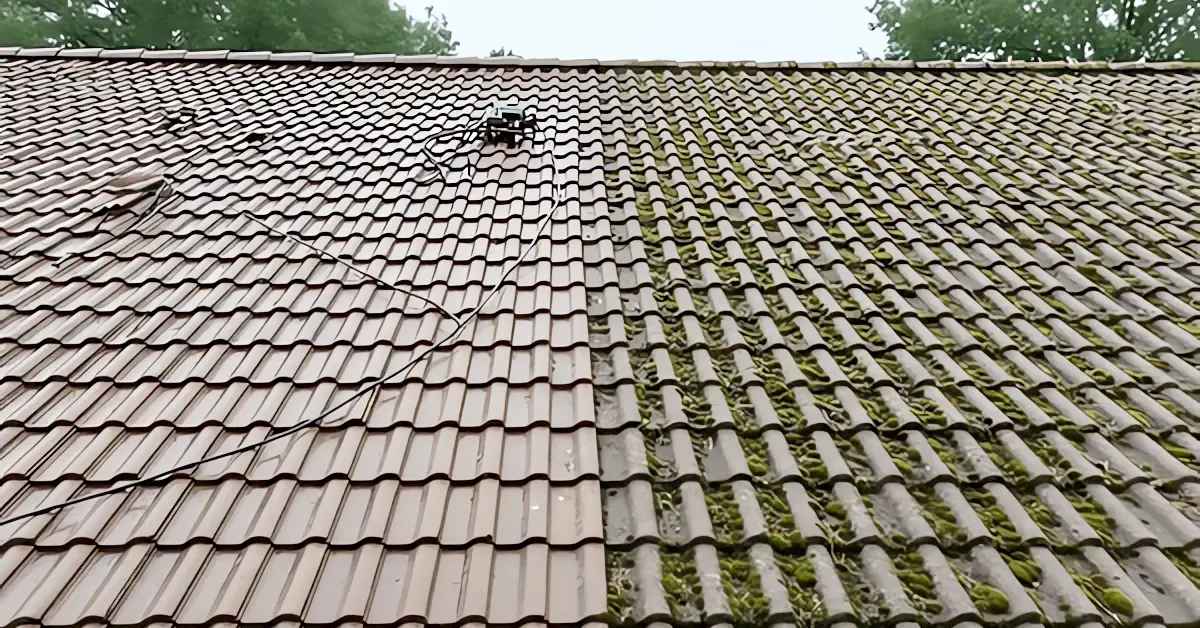
Have you completed cleaning the home exterior by getting the driveway, window frames, gutters, etc., but not considered the roof because it is tricky and difficult to access? Then you aren’t working toward better curb appeal, as the roof stands out the most and can outshine all the other cleaned areas.
In 2025, Columbia recorded 35.09 inches of precipitation over 95 days, providing plenty of moisture for algae and other organic buildup. Here, discoloration on asphalt shingles is quite common with Gloeocapsa magma, a common blue-green algae.
But cleaning a roof isn’t about using a pressure washer that could damage the shingles. You need to remove stubborn organic buildup without putting your roof at unnecessary risk. That’s where soft washing comes in. In this guide, learn what soft wash roof cleaning is and how it fights algae, moss, lichen, and other organic buildup while preserving your roof material.
What Does Soft Wash Roof Cleaning Involve?
It is a safe way to clean your roof with a low-pressure spray of a cleaning solution you can prepare at home. The solution kills algae, moss, and lichen on its own without even scrubbing,
A mild water rinse after applying the solution completes the job without any damage. Organic growth, if left untreated, starts damaging the roofing material. So pressure washing also helps extend the roof’s lifespan.
How to Perform Soft Wash Roof Cleaning by Yourself?
You can soft wash your roof yourself with the right chemicals and equipment.
What Roof Soft Wash Chemicals Are Required?
You need to prepare a solution that isn’t so harsh that it damages shingles. However, a solution that is too mild may not remove the buildup. Make the ideal solution with these:
- Sodium hypochlorite
- Surfactant
- Water
Use a lower concentration of sodium hypochlorite by diluting it with water and adding some surfactant. Surfactant makes the solution sticky. When you apply it from the ground with an extension wand, it spreads throughout the roof and stays there long enough to achieve the desired results, instead of rolling off.
The correct ratio of chemical, water, and surfactant depends on the product’s strength, how heavy the growth is, and what the roof can tolerate.
When to Use Benzalkonium Chloride for Roof Cleaning?
You can use benzalkonium chloride in place of sodium hypochlorite for more sensitive roofing materials. It is gentler but still effective at killing algae, moss, and lichen. Moreover, it doesn’t require rinsing. You just leave it after applying the solution. Benzalkonium chloride works better for roofs near gardens, ponds, or anything green for higher safety.
Required Soft Wash Roof Cleaning Equipment
Along with the cleaning solution, you need to invest in the following tools:
- Low-pressure pump system (40–60 PSI)
- Extension wands and hose reels for rinsing from the ground
- Tarps and plastic sheeting to cover vents and skylights
- Gutter flushing attachment
- PPE, including gloves and eye protection
Steps for Soft Washing your own Roof Safely
You need to choose a day when there is no chance of rain so the solution can dwell for a longer period. Also, a too-hot day will make the solution dry too fast on a hot roof and won’t get the dwell time it needs. Once you get a normal sunny day, follow these simple steps to clean your roof in a safe yet effective manner:
Step 1: Making Necessary Coverings
Protect your landscape before you apply anything on the roof, as it will roll off a bit. Cover vents, skylights, exposed AC units, or delicate trim with plastic sheets so they remain safe from chemicals. Soak every plant that you may have near the roofline with plain water. Soaking will dilute any solution that drips down. This dilution protects your garden and nearby green space from harsh chemicals.
Step 2: Preparation and Application of the Cleaning Solution
Dilute sodium hypochlorite with a small amount of dish soap or a dedicated surfactant. If the algae has not grown too much, use a milder solution. Use a stronger solution when the buildup is heavier.
Now, use a pump sprayer with an extension wand to apply the solution from the ground. The solution needs dwell time to kill the growth at the root, so leave it there for some time before rinsing.
If you think ground cleaning will not work for stubborn buildup, don’t do it yourself. Hire professional roof cleaners. Certified cleaners climb the roof by using appropriate fall-protection equipment and anchor their harnesses to secure points. They wear shoes with real grip and perform the job with enough safety measures,
Step 3: Rinsing and Flushing Afterwards
Rinse everything down with low-pressure water. Attach a gutter-flushing attachment to your garden hose. Run water through the gutters toward the downspouts to clear out any built-up residue and loose debris. Give the downspouts a good flush too. They should drain freely without any clogs.
When to Call for Professional Soft Wash Roof Cleaning
You need to hire a professional roof cleaner if you have met with the following possible issues:
- The wrong ratio of chemicals, water, and surfactant can make the whole process ineffective. You either waste your day or damage your yard with a too-harsh solution.
- You may under-treat shaded valleys and over-treat sunny slopes, particularly when you apply the solution from the ground.
- If the buildup is too stubborn and you need to scrub manually, you may encounter a fall risk.
- Cleaning a roof near the end of its life may damage it further. This can increase repair costs. A professional cleaner only starts the job by evaluating the current condition.
Bottom Line
People searching for information about what is soft wash roof cleaning either want professional help or DIY steps. The guide above answers these questions by outlining the steps clearly and simply.
If you can’t clean from the ground or aren’t sure about the right solution mix or dwell time, contact professional cleaners. Sentra Exteriors provides reliable roof cleaning services with soft-washing in Columbia and across Mid-Missouri. Licensed cleaners care for your landscaping on every job, so you get lasting results without damage.