How to Remove Oil Stains from Driveway with Pressure Washing
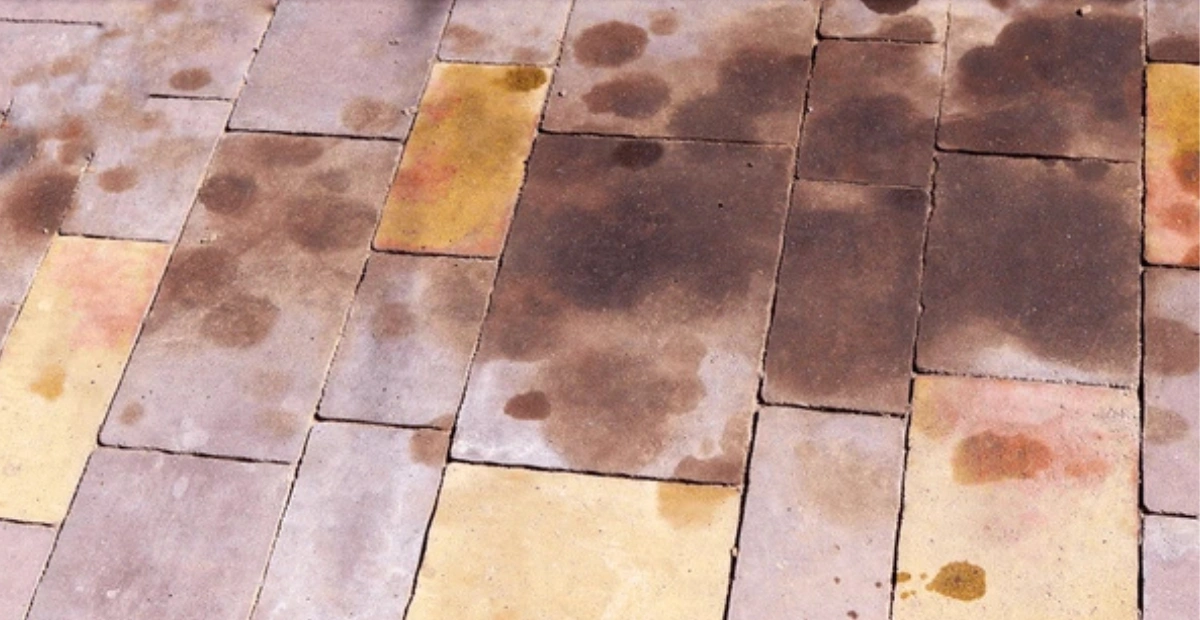
Oil stains can make an otherwise clean driveway look neglected. A leaking vehicle, an accidental oil spill, or a dropped container can leave dark marks that get harder to remove as oil penetrates porous concrete or other driveway materials. If you’re trying to figure out how to remove oil stains from your driveway, the key is to break down the oil before relying on pressure alone.
Pressure washing can be an effective part of the process, but it is not a magic solution for old oil stains. A suitable degreaser or oil-stain remover helps loosen the contamination first, while the right pressure and cleaning technique remove the residue from the surface. The approach also needs to change depending on whether you’re cleaning concrete, asphalt, or pavers.
What You Need to Remove Oil Stains from a Driveway
Before you start, gather the right supplies for the type and age of the stain. You’ll typically need a concrete- or driveway-safe degreaser, a stiff-bristled brush, absorbent material such as cat litter or an oil absorbent, a garden hose, protective gloves, and a pressure washer if the driveway surface is suitable for pressure cleaning.
For fresh spills, absorbent material is particularly useful because it can soak up some of the oil before it spreads or penetrates deeper into the surface. Always check the manufacturer’s instructions for any degreaser or cleaning product before applying it to concrete, asphalt, sealed pavers, or other driveway materials.
How to Remove Oil Stains from Your Driveway
Step 1: Absorb Fresh Oil as Quickly as Possible
If the oil spill is still wet, start by absorbing as much of it as possible instead of immediately spraying it with water. Spread cat litter, an oil-absorbent product, or another suitable absorbent over the spill and allow it to sit according to the product’s directions. Once the material has absorbed the oil, sweep it up and dispose of the contaminated material appropriately.
Acting quickly matters because fresh oil is generally easier to manage than a stain that has had time to penetrate the surface.
Step 2: Apply a Driveway-Safe Degreaser
Once the excess oil has been absorbed, apply a degreaser designed for your driveway material. A suitable degreaser helps break down the oil so it can be lifted from the surface rather than simply pushed around by pressurized water.
Follow the product’s recommended dilution and dwell time instead of guessing. Let the product work for the specified amount of time, then agitate the stain with a stiff-bristled brush. For a light, fresh stain, a small amount of dish soap may sometimes help, but older or deeply absorbed stains generally require a purpose-made degreaser or oil-stain treatment.
Step 3: Scrub the Stain Before Pressure Washing
Don’t rely on the pressure washer alone. Work the degreaser into the stain with a stiff-bristle brush, paying particular attention to the darkest areas and edges of the affected spot.
This step is important because pressure washing mainly helps rinse away loosened contamination. It does not replace the chemical action needed to break down an established oil stain.
For larger driveways, you may also want to treat the surrounding area rather than creating a noticeably cleaner patch in the middle of the surface.
Step 4: Pressure Wash the Driveway
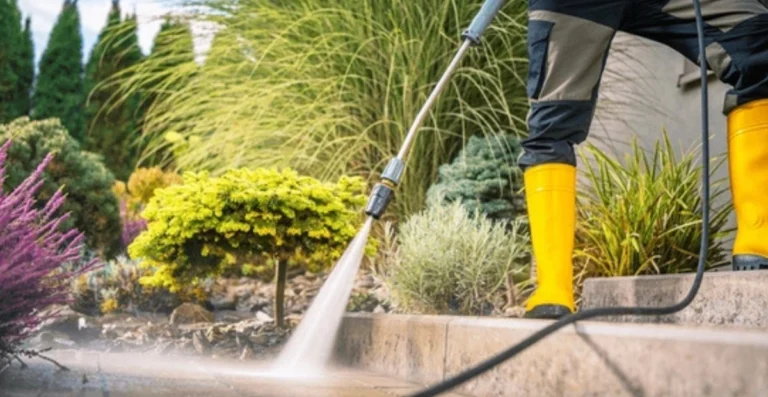
After the degreaser has done its job, pressure washing can help rinse away the loosened oil, dirt, and cleaning solution. For suitable concrete surfaces, a professional driveway pressure washing service can provide more consistent cleaning across the entire driveway while using surface-appropriate equipment and pressure.
The correct pressure depends on the driveway material, its condition, and the equipment being used. Concrete can generally tolerate more pressure than asphalt or some types of pavers, but excessive pressure can still damage an older or weakened surface.
Keep the spray wand moving rather than holding it in one spot, and use a wider spray pattern when appropriate. For flat concrete, professional surface-cleaning equipment can also help produce a more even result than cleaning with a narrow wand alone.
Step 5: Rinse the Driveway Thoroughly
After cleaning, rinse the treated area thoroughly according to the degreaser’s instructions. Don’t allow dirty cleaning solution and oil residue to simply flow toward a storm drain.
This is an important part of driveway cleaning. The EPA advises homeowners to prevent oil, grease, and other pollutants from entering storm drains because stormwater systems can carry contaminants into local waterways.
Sweep or collect loosened residue where appropriate and follow local requirements for disposing of contaminated material and wastewater.
Step 6: Inspect the Result and Repeat if Necessary
Don’t expect every old oil stain to disappear after one treatment. Oil that has been sitting in porous concrete for months or years can penetrate deeply, leaving a shadow even after the surface has been cleaned.
If the stain has improved but remains visible, allow the surface to dry and reassess it before applying another treatment. Some stubborn stains require multiple applications or a specialized oil-stain treatment rather than increasingly aggressive pressure.
How to Clean Different Driveway Surfaces
The cleaning method should match the driveway material. What works on concrete isn’t automatically appropriate for asphalt or pavers.
Concrete Driveways
Concrete is porous, so oil can penetrate below the surface and create stubborn dark stains. A driveway-safe degreaser followed by controlled pressure washing is a common approach for removing surface oil and grime.
Older stains may require repeated treatment, and some deeply embedded discoloration may remain even after professional cleaning.
Asphalt Driveways
Asphalt requires more caution because excessive heat, pressure, or aggressive cleaning chemicals can damage the binder that holds the material together.
Use a product specifically labeled as safe for asphalt and follow its instructions. Avoid assuming that a pressure setting suitable for concrete is also suitable for asphalt.
Paver Driveways
Pavers can usually be cleaned, but the joints and surface finish need to be considered. Use a cleaner appropriate for the specific paver material and avoid aggressive pressure that could disturb joint material or damage the surface.
Sealed pavers may also have different cleaning requirements than unsealed pavers, so check the sealer manufacturer’s recommendations when applicable.
Extra Tips for Removing Driveway Oil Stains
A few simple practices can make the cleaning process more effective:
- Treat fresh spills as soon as possible before the oil has more time to penetrate.
- Use an absorbent material before applying water to a fresh spill.
- Choose a degreaser specifically suited to the driveway material.
- Follow the product’s recommended dwell time instead of letting it dry on the surface.
- Scrub the stain before pressure washing rather than relying on pressure alone.
- Test a cleaning product on a small, inconspicuous area first.
- Avoid excessive pressure, especially on asphalt, older concrete, and damaged surfaces.
- Keep contaminated runoff away from storm drains and waterways.
- Repeat treatment when necessary instead of increasing pressure aggressively.
Common Products and Methods to Avoid
Some popular driveway-cleaning hacks can create more problems than they solve. Oil stains require a method that breaks down or absorbs the oil without unnecessarily damaging the driveway surface.
Muriatic Acid
Muriatic acid is not an appropriate general-purpose degreaser for oil stains. It is primarily used for certain mineral and masonry-cleaning applications, and improper handling can cause serious chemical burns, damage surfaces, and create hazardous fumes.
Don’t use muriatic acid simply because an oil stain is difficult to remove.
Coca-Cola
Coca-Cola is sometimes promoted as a home remedy for oil stains because it contains acids, but it is not a reliable substitute for a driveway-safe degreaser. It can also leave behind sugar and residue that create another cleaning problem.
A product specifically formulated for oil and grease is a more appropriate choice.
Bleach
Bleach is not a solution for removing oil from concrete. It may be useful for certain biological growth and disinfection applications, but it does not replace a proper degreaser for petroleum-based stains.
Using stronger chemicals doesn’t automatically produce better results and may discolor or damage some surfaces.
Sodium Hydroxide Without Proper Protection
Some professional-grade oil and grease cleaners contain sodium hydroxide because it can be effective at breaking down heavy organic contamination. However, concentrated sodium hydroxide is highly caustic and can cause severe skin and eye injuries.
Never handle a sodium-hydroxide-based product without following the manufacturer’s safety instructions and using the required protective equipment.
When Pressure Washing Isn’t Enough
Pressure washing is useful for rinsing away loosened oil and grime, but very old stains may not disappear completely after one cleaning.
If oil has penetrated deeply into porous concrete, repeatedly increasing the pressure can do more harm than good. Excessive pressure can etch concrete, damage pavers, disturb asphalt, or create visible cleaning marks.
In these situations, a professional cleaner can assess the stain, identify the driveway material, and determine whether additional degreasing, specialized treatment, or realistic expectations about the remaining discoloration are appropriate.
Can Professional Driveway Cleaning Help?
Yes. Professional driveway cleaning can be useful when the stain is large, old, widespread, or difficult to treat safely with household equipment.
Sentra Exteriors uses surface-appropriate pressure washing methods and pre-treatment where needed for driveway and concrete cleaning in Columbia, MO. Their pressure washing service specifically covers driveways and concrete surfaces, including oil stains, tire marks, mold, and embedded grime.
If the property needs more than driveway cleaning, homeowners can also combine exterior services during the same visit. For example, house washing can address dirt, algae, mold, and mildew on the home’s exterior using a surface-appropriate soft washing method.
Bottom Line
If you’re learning how to remove oil stains from your driveway, don’t make pressure the first and only solution. Start by absorbing fresh oil, apply a driveway-safe degreaser, scrub the affected area, and then use appropriate pressure to rinse away the loosened contamination.
The correct method depends heavily on the driveway material. Concrete, asphalt, and pavers don’t respond identically to pressure, heat, or cleaning chemicals, so using the strongest setting isn’t necessarily the best approach.
For fresh stains, quick action can make removal easier. For old or deeply absorbed stains, multiple treatments may be necessary, and some discoloration may remain even after professional cleaning.
If you’re in Columbia, MO, and your driveway has stubborn oil stains, Sentra Exteriors can assess the surface and recommend an appropriate cleaning method.