Pressure Washing vs Power Washing: What Columbia Homes Need
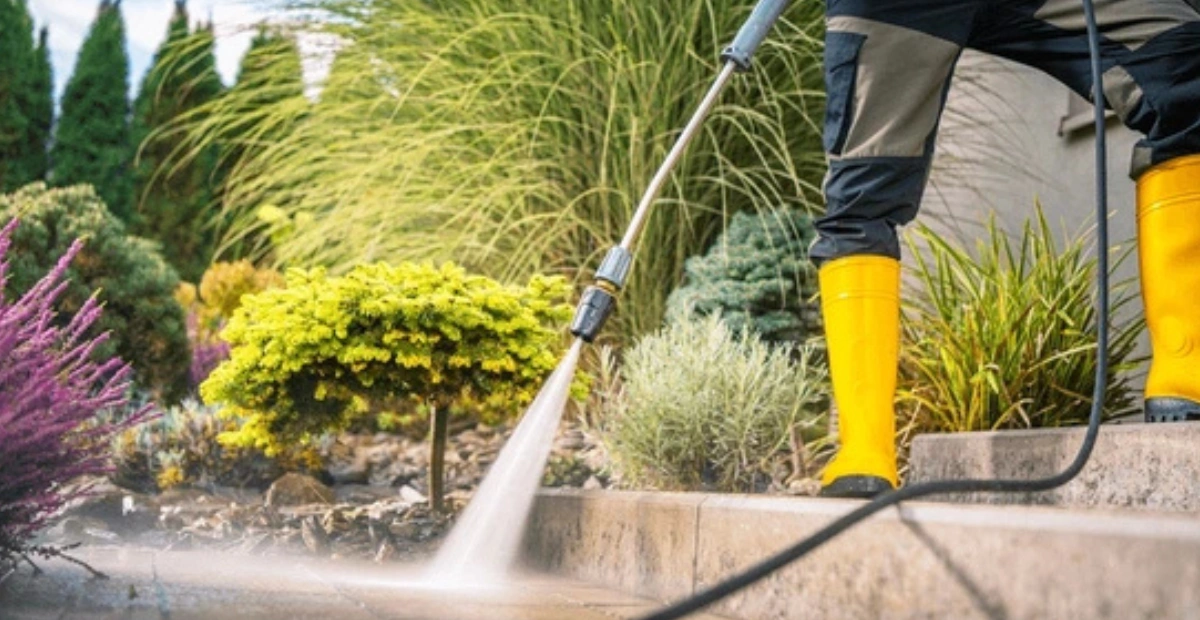
If you’ve been searching for pressure washing vs power washing, you’re probably trying to figure out which method is right for your Columbia, MO home. The terms are often used interchangeably, but there is one important difference: power washing uses heated water, while pressure washing typically uses unheated water.
For most residential exterior cleaning, the temperature of the water isn’t the deciding factor. What matters more is choosing the right pressure, cleaning solution, and technique for the surface being cleaned.
Homes throughout Columbia and Mid-Missouri deal with plenty of dirt, pollen, algae, mold, mildew, and other outdoor buildup. Humidity, shade, trees, and changing weather conditions can all contribute to surfaces looking dirty or weathered.
So, which cleaning method should you choose? Let’s break down the difference and look at what works best for common residential surfaces.
Mid-Missouri Weather and Exterior Buildup
Mid-Missouri weather can be tough on exterior surfaces. During damp seasons, shaded areas can develop algae, mold, and mildew. Summer storms can leave behind dirt, pollen, and other debris, while falling leaves and tree growth can contribute to staining on concrete and other outdoor surfaces.
Some properties develop buildup faster than others. Factors that can contribute include:
- North- or northeast-facing walls and other areas that receive limited sunlight
- Homes surrounded by mature trees or wooded areas
- Shaded driveways, patios, and walkways
- Frequent vehicle traffic on concrete surfaces
- Exterior surfaces that have not been cleaned for an extended period
This buildup isn’t unusual for homes in Columbia, Ashland, Hallsville, Centralia, Boonville, and Fulton. Regular exterior cleaning can help keep these surfaces looking better and prevent dirt and organic growth from becoming a larger maintenance problem.
Pressure Washing vs Power Washing: What’s the Difference?
The main difference between pressure washing and power washing is water temperature.
Pressure washing uses high-pressure water without intentionally heating it. Power washing uses heated water along with pressure. The combination of heat and pressure can make power washing particularly useful for certain types of heavy or greasy buildup.
For many residential cleaning jobs, however, pressure washing is more than sufficient.
| Pressure Washing | Power Washing | |
| Water temperature | Usually unheated | Heated |
| Common applications | Driveways, patios, walkways, and suitable exterior surfaces | Grease, oil, and heavy commercial buildup |
| Residential use | Very common | Less commonly necessary |
| Main cleaning factors | Pressure, water flow, and cleaning solution | Heat, pressure, water flow, and cleaning solution |
The important takeaway is that higher pressure isn’t automatically better cleaning. Using excessive pressure on the wrong surface can cause damage even when the equipment itself is designed for professional cleaning.
Which Is Better for a Columbia Home?
For most residential exterior cleaning, pressure washing is the practical choice. Driveways, concrete walkways, patios, and other durable surfaces can often be cleaned effectively with the appropriate pressure and technique.
Power washing becomes more useful when heat provides an advantage, such as when dealing with certain grease or oil-related buildup.
But the bigger question isn’t simply whether to use pressure washing or power washing. It’s how to clean the surface.
A concrete driveway can generally tolerate considerably more pressure than painted siding or an older wood deck. Using the same pressure setting everywhere is a poor approach.
Choosing the Right Method for Each Surface
Different exterior surfaces require different cleaning techniques.
Driveways and Concrete
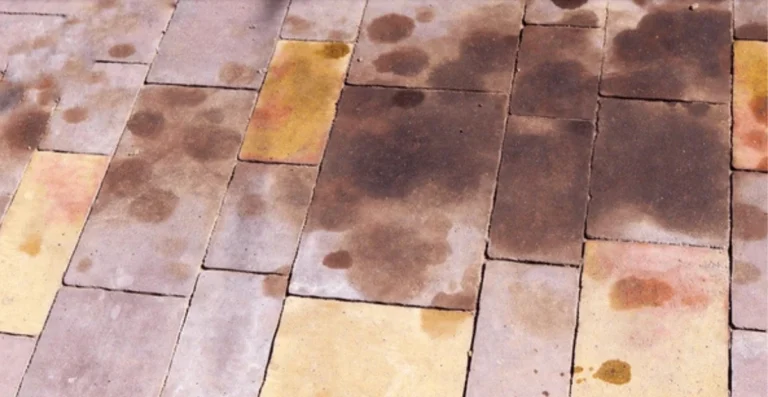
Concrete is one of the more durable residential surfaces and can usually be cleaned with pressure washing. Dirt, tire marks, algae, mold, mildew, and other surface buildup can often be removed with the appropriate equipment and cleaning process.
However, pressure still needs to be adjusted for the condition of the concrete. Older or damaged surfaces may require more care to avoid making existing problems worse.
House Siding
Siding requires more care than concrete. Excessive pressure can damage certain siding materials or force water behind panels and openings.
For many homes, a lower-pressure or soft washing approach combined with an appropriate cleaning solution is a better option for removing organic growth and surface dirt.
Wood Decks
Wood can be damaged by excessive pressure. A high-pressure stream can strip finishes, leave visible marks, or raise the wood grain.
The cleaning method should take the age, condition, wood type, and existing finish into account. In some situations, a gentler cleaning process is the safer choice.
Patios and Walkways
Patios and walkways can collect dirt, pollen, algae, and other outdoor debris. Many durable hard surfaces can be pressure washed effectively, although the correct pressure and technique still depend on the material and condition.
Roofs
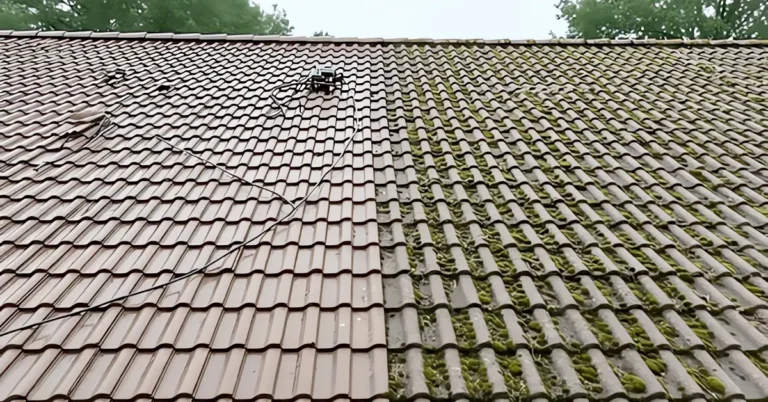
Roofs are a different situation entirely. High pressure is generally not the right approach for many roofing materials because aggressive pressure can damage the surface. That’s where soft washing can be useful. Instead of relying primarily on high pressure, soft washing uses a cleaning solution and lower-pressure application to address organic growth.
This approach is commonly used as part of professional roof cleaning to help remove algae, moss, and other buildup while reducing the risk of unnecessary surface damage.
What Is Included in a Pressure Washing Service?
A residential pressure washing service can involve several different exterior surfaces, depending on the property’s needs.
Common areas that homeowners may have cleaned include:
- Driveways and concrete areas
- Sidewalks and walkways
- Patios and entryways
- Suitable siding and exterior walls
- Decks and other outdoor living areas
- Areas affected by dirt, algae, mold, mildew, and other buildup
Not every surface should be cleaned in exactly the same way. A professional exterior cleaning service should assess the material and condition of each area before choosing the appropriate cleaning method.
What Happens If You Leave Exterior Buildup Alone?
Exterior dirt and organic growth usually don’t disappear simply because it rains.
Algae and other growth on concrete can make surfaces look neglected and may make some areas slippery when wet. Dirt and mildew on siding can affect the appearance of the home, while accumulated grime on decks and patios can make outdoor areas less inviting.
There is also the simple issue of curb appeal. The driveway, walkways, siding, and entry areas are some of the first parts of a property visitors notice.
Regular exterior cleaning isn’t a replacement for necessary repairs or maintenance, but it can be a relatively simple way to keep outdoor surfaces looking maintained.
How Often Should Homes in Mid-Missouri Be Pressure Washed?
There isn’t one schedule that works for every property.
Many homes benefit from annual exterior cleaning, while properties with heavy tree cover, significant shade, or faster-growing organic buildup may need cleaning more frequently.
How quickly buildup returns depends on factors such as:
- Amount of direct sunlight
- Tree and vegetation coverage
- Moisture and drainage around the property
- Local weather conditions
- Type of surface
- Previous cleaning and maintenance
Rather than following a rigid schedule, look at the condition of the property. If algae, mildew, dirt, or staining is becoming noticeable, it may be time to consider an exterior cleaning service.
Roofs should be treated differently from driveways and other hard surfaces. The appropriate cleaning frequency depends on the roofing material, surrounding environment, and amount of organic growth.
Soft Washing vs Pressure Washing
Soft washing and pressure washing aren’t necessarily competing methods. They are tools suited to different situations.
Pressure washing relies primarily on pressurized water and is commonly used for durable surfaces such as concrete.
Soft washing uses lower pressure along with cleaning solutions to address dirt and organic growth on surfaces that may be more vulnerable to high pressure.
For example, a concrete driveway may be a good candidate for pressure washing, while a roof or certain types of siding may be better suited to a soft washing approach.
The goal isn’t to use the strongest method available. The goal is to clean the surface effectively without causing unnecessary damage.
Popular Exterior Cleaning Services in Mid-Missouri
Homeowners in the Columbia area often need more than one exterior surface cleaned. Dirt and organic growth don’t stop at the driveway; they can appear on siding, patios, walkways, decks, and other outdoor areas.
Depending on the property, homeowners may combine services such as:
- Driveway and concrete cleaning
- House washing
- Patio and walkway cleaning
- Deck cleaning
- Soft washing
- Gutter cleaning
- Roof cleaning
Bundling multiple exterior cleaning services can make sense when several areas of the property need attention at the same time.
Why Professional Pressure Washing Can Make a Difference
Pressure washing equipment is widely available, but having a pressure washer doesn’t automatically mean every surface should be cleaned with high pressure.
The biggest mistakes usually come from using the wrong pressure, nozzle, distance, or cleaning method for the material.
Professional exterior cleaning involves more than simply pointing a pressure washer at a dirty surface. The surface needs to be identified, the condition assessed, and the appropriate cleaning technique selected.
That matters particularly when moving between durable concrete and more sensitive materials such as siding, wood, painted surfaces, or roofing.
Bottom Line
So, what’s the answer to pressure washing vs power washing?
For most Columbia, MO residential properties, pressure washing is the practical choice for cleaning durable exterior surfaces such as driveways, patios, and walkways. Power washing adds heated water, which can be beneficial for certain types of heavy or greasy buildup but isn’t automatically better for every residential cleaning job.
More importantly, not every surface should receive high pressure.
Siding, wood, and roofing materials may require lower-pressure cleaning or soft washing instead. The right method depends on the surface, its condition, and the type of buildup present.
If your Columbia-area home is showing signs of dirt, algae, mold, mildew, or staining, Sentra Exteriors can help determine the appropriate exterior cleaning method for your property.