How Often Should Windows Be Cleaned? A Practical Guide for Homeowners

Most homes benefit from having their exterior windows cleaned twice a year, but there isn’t a single schedule that works for every property. Tree cover, pollen, hard-water exposure, road dust, construction, weather, and the number of people using the home can all affect how quickly windows become dirty.
For homeowners in Columbia, MO, seasonal conditions make exterior window cleaning particularly important. Spring pollen, summer storms, irrigation overspray, and winter grime can leave glass looking cloudy or streaked. The right cleaning schedule helps keep buildup under control before it becomes harder to remove.
Sentra Exteriors provides professional window cleaning for homeowners in Columbia and surrounding Mid-Missouri communities. Regular cleaning can help maintain clear glass, improve curb appeal, and reduce the amount of buildup that accumulates between professional visits.
How Often Should You Clean Exterior and Interior Windows?
For many homes, cleaning exterior windows twice a year is a practical starting point. Spring cleaning can remove winter residue and early-season pollen, while fall cleaning clears away summer dust, storm residue, and other buildup before winter arrives.
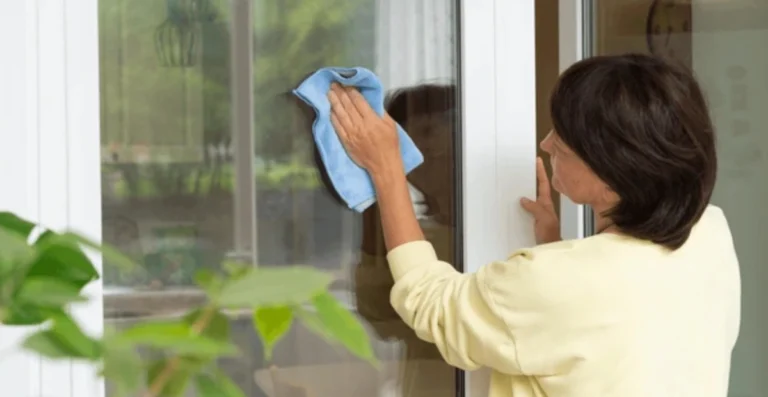
Interior windows usually need a different schedule. Monthly cleaning is reasonable for many homes, while rooms with children, pets, or heavy daily use may need more frequent attention. Window screens, frames, sills, and tracks should also be cleaned regularly because they collect dust and debris that can transfer back onto the glass.
| Window Area | Typical Cleaning Frequency |
| Exterior windows | Twice a year |
| Interior windows | Monthly or as needed |
| Screens and sills | At least once a year |
| High-exposure exterior windows | Every 2–4 months |
These are starting points rather than strict rules. If your windows become visibly dirty much sooner, your home may need a more frequent cleaning schedule.
Interior vs. Exterior Windows: Why the Schedule Is Different
Exterior glass is exposed to much more than ordinary household dust. Rain, pollen, irrigation spray, airborne dirt, road dust, and other outdoor particles can accumulate on the surface throughout the year.
Interior glass deals with a different type of buildup. Fingerprints, pet nose marks, dust, cooking residue, and condensation are common causes of interior window grime. Because interior windows aren’t exposed directly to outdoor weather, they generally don’t require professional cleaning as often as exterior glass.
This is why a home may benefit from professional exterior cleaning twice a year while interior windows are handled as part of regular household cleaning.
What Affects How Often You Should Clean Your Windows?
The right window cleaning schedule depends heavily on the environment around your home. Two houses in the same neighborhood can need completely different cleaning frequencies if one is surrounded by mature trees and the other is on an open lot.
Heavy Tree Cover and Pollen
Homes surrounded by trees can accumulate pollen, leaves, sap, and other organic debris faster than properties with limited vegetation.
During heavy pollen periods, outdoor particles can settle on damp glass and create a noticeable film. Shaded windows may also stay wet longer after rain, which can contribute to additional buildup.
If your home has significant tree cover and your windows look dirty within a few months of cleaning, consider moving from a twice-yearly schedule to quarterly cleaning.
Hard Water and Sprinkler Overspray
Sprinkler systems can be a major source of mineral spots when irrigation water repeatedly lands on exterior glass.
Hard water contains dissolved minerals, primarily calcium and magnesium, which can leave deposits as water evaporates. The U.S. Geological Survey explains that hard water can leave mineral residue and scale on surfaces.
If your sprinklers regularly hit your windows, the cleaning schedule may need to be more frequent than the standard twice-yearly recommendation. Adjusting sprinkler heads so they don’t spray directly onto the glass can also help reduce recurring mineral deposits.
Busy Roads and Construction Nearby
Homes near busy roads can collect road dust and airborne particles faster than properties facing a quiet yard. Nearby construction can increase the amount of fine dust that settles on exterior glass.
If construction is taking place close to your home, you may need additional window cleaning while the work continues. Once construction is complete, a more detailed cleanup may be necessary if paint, plaster dust, concrete residue, or other construction materials have settled on the glass.
Pets, Kids, and High-Traffic Areas
Interior windows and glass doors in homes with children or pets often need more frequent cleaning. Fingerprints, nose marks, smudges, and everyday household dust can quickly become noticeable on lower panes and frequently used doors.
These areas don’t necessarily need professional cleaning every month, but they may benefit from more frequent DIY touch-ups between scheduled professional cleanings.
Preparing to Sell Your Home
Clean windows can make a noticeable difference when you’re preparing a property for sale. Dirty or streaked glass can make a well-maintained home look less cared for, especially in listing photos where natural light and clear views are important.
If you’re preparing your Columbia home for the market, consider cleaning the windows shortly before professional photography and showings. Clean glass is a relatively simple way to improve the presentation of the property without making a major renovation.
How to Create a Window Cleaning Schedule
Start with the condition and exposure of your home rather than choosing a frequency simply because it works for someone else.
Use this schedule as a practical starting point:
| Home Condition | Suggested Frequency |
| Low exposure and few trees | 1–2 times per year |
| Typical residential property | 2 times per year |
| Heavy pollen or tree cover | 3 or more times per year |
| Frequent sprinkler overspray | Every 2–4 months |
| Nearby construction or heavy road dust | Every 1–2 months during exposure |
After each cleaning, check the windows again several weeks later. If visible buildup returns quickly, shorten the interval. If the glass stays clean for much longer, an annual schedule may be sufficient for that particular property.
What Happens When Windows Go Too Long Without Cleaning?
Waiting too long between cleanings doesn’t always cause permanent damage, but it can make certain types of buildup increasingly difficult to remove.
Mineral Deposits Can Become Difficult to Remove
Hard-water deposits can build up when mineral-rich water repeatedly dries on the glass. Light spots may be removable with appropriate cleaning methods, while older deposits can become much more difficult to treat.
Severe mineral buildup may require specialized restoration rather than ordinary window cleaning. The longer the deposits remain, the more important it becomes to use a method appropriate for the glass instead of aggressive DIY scraping.
Dirt Can Reduce the Appearance of Natural Light
A layer of dust, pollen, mineral residue, or other buildup can make windows look cloudy and reduce the amount of light passing through the glass.
The effect may be subtle at first. Over time, however, consistently dirty windows can make rooms feel darker and can affect the overall appearance of the home.
Dirty Windows Affect Curb Appeal
Windows are one of the most visible parts of a home’s exterior. Streaked glass, dirty frames, and buildup around sills can make a property look less maintained even when the rest of the exterior is in good condition.
Regular window cleaning is a simple part of exterior maintenance that can help keep the property looking cared for.
Season-by-Season Window Cleaning Guide
Spring
Spring is one of the best times to schedule exterior window cleaning in Columbia. Winter residue, dust, and early pollen can build up on glass, screens, and frames.
Cleaning before the heaviest pollen periods can give you a cleaner starting point for the rest of the season.
Summer
Summer storms, pollen, dust, and irrigation overspray can quickly affect exterior windows. Homes with sprinklers near the glass may need an additional cleaning during the summer. Gutters can also affect exterior windows when they overflow or discharge dirty water near the home’s walls and windows. Keeping gutters clear with regular gutter cleaning can help prevent this runoff from adding unnecessary dirt and mineral residue to exterior surfaces.
Avoid cleaning glass in intense direct sunlight when possible because cleaning solutions can dry too quickly and leave streaks.
Fall
Fall is another important time for exterior window cleaning. By this point, windows may have accumulated pollen, storm residue, dust, and other debris throughout the summer.
Cleaning in fall also gives homeowners a clearer view through the windows as daylight becomes shorter during winter.
Winter
Exterior window cleaning can often wait during the coldest part of winter unless the home is exposed to heavy road salt, grime, or other significant buildup.
Never use hot water on very cold glass because a sudden temperature change can create thermal stress. For interior windows, regular cleaning can continue throughout winter.
Window Type Affects How Often You Need to Clean
The design and location of a window can affect how quickly it becomes dirty and how difficult it is to clean.
Double-Hung Windows
Double-hung windows often allow the sashes to tilt inward, making both sides of the glass easier to access. Screens can still collect pollen and dust, so they should be cleaned along with the glass.
Casement Windows
Casement windows open outward and may stay relatively clear of some debris because of their design. However, exterior access can still be difficult on upper floors, making professional equipment useful.
Skylights
Skylights face upward and are directly exposed to rain, pollen, leaves, and airborne debris. They can accumulate dirt faster than vertical windows and may require more frequent cleaning.
Second-Story Windows
Upper-floor windows often go longer between cleanings simply because they are harder to reach safely. Homeowners shouldn’t lean out of windows or use unstable ladders just to clean exterior glass.
Professional window cleaners can use appropriate equipment to reach difficult areas without creating unnecessary fall risks.
Signs Your Windows Need Cleaning
You don’t always need to wait for a scheduled cleaning date. Look at the glass and surrounding areas for signs that buildup has returned.
Common signs include:
- Visible water spots or mineral deposits
- Streaks that remain after rain
- A noticeable layer of pollen or dust
- Cloudy-looking exterior glass
- Dirt around frames, tracks, or sills
- Dark buildup around corners or window edges
- Reduced clarity when looking through the glass
If the glass still looks cloudy after ordinary cleaning, the issue may be mineral buildup or another type of residue rather than simple dirt.
How Long Do Clean Windows Stay Clean?
There isn’t one fixed answer because weather and exposure can change the result quickly.
Windows under heavy tree cover, near sprinklers, busy roads, or construction sites can become dirty much faster than windows in protected areas.
A heavy storm shortly after cleaning can also leave new residue on exterior glass. That’s why the right cleaning schedule should be based on your home’s actual exposure rather than an arbitrary number of days.
The quality of the cleaning method matters as well. Professional window cleaning systems can help reduce mineral residue and improve consistency, particularly when cleaning exterior glass.
When Should You Hire Professional Window Cleaners?
DIY cleaning can work well for accessible interior and ground-level windows. Professional cleaning becomes more valuable when windows are difficult to reach, heavily soiled, or affected by mineral deposits.
Consider professional window cleaning if:
- Your home has multiple stories
- Exterior windows are difficult to reach safely
- You have a large number of windows
- Hard-water deposits have built up
- Construction has created heavy exterior residue
- You want the screens, frames, and sills cleaned as well
- You don’t have the right equipment for upper-level windows
- You want consistent exterior cleaning without handling ladders
Professional cleaners can also help identify whether ordinary cleaning is enough or whether the glass needs specialized treatment for mineral deposits or other stubborn buildup.
How Often Should Windows Be Professionally Cleaned?
For many Columbia homeowners, twice a year is a sensible starting point for professional exterior window cleaning. Spring and fall cleanings provide a simple seasonal routine that keeps common outdoor buildup under control.
However, homes with heavy tree coverage, sprinkler overspray, construction nearby, or significant road dust may benefit from quarterly or even more frequent service.
The important point is not to wait until buildup becomes difficult to remove. A consistent maintenance schedule is generally easier than trying to restore heavily neglected glass later.
Conclusion
For most Columbia homes, cleaning exterior windows twice a year is a practical starting point. Spring and fall cleanings can keep seasonal pollen, storm residue, dust, and mineral deposits under control before they become more difficult to remove.
Your home’s environment should determine whether that schedule needs to change. Heavy tree cover, sprinkler overspray, nearby construction, road dust, and frequent weather exposure can all shorten the time between cleanings.
Regular professional window cleaning is particularly useful for upper-story windows, difficult-to-reach glass, and properties with stubborn buildup. Keeping windows clean isn’t just about appearance; it also makes routine maintenance easier and helps prevent minor buildup from becoming a more difficult restoration problem.
For homeowners in Columbia, MO, and surrounding Mid-Missouri communities, Sentra Exteriors can handle exterior window cleaning along with other exterior maintenance services. A consistent cleaning schedule means you don’t have to wait until the glass looks neglected before taking care of it.